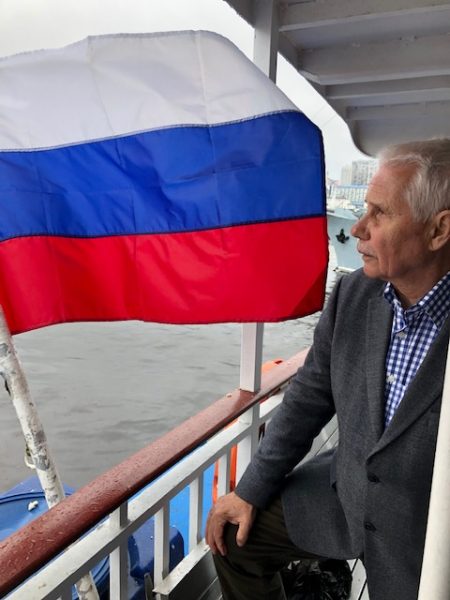
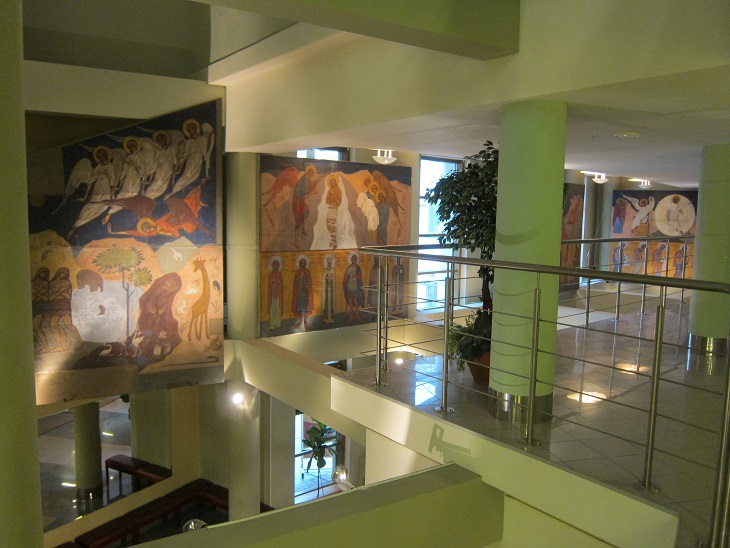
This television interview was filmed on location in the library hall of the Vladivostok branch of the Russian Geographical Society that is situated near the historical Nicholas II Triumphal Arch.
The Russian flag – Vladivostok
Take a different look at Russia and Revolution and the role of the White Officers and what came next for them after they sailed out of Vladivostok into exile in 1922.
Most importantly, get to know the last days of Imperial Russia, understand more about the Russian Revolution and Civil War, the history of Russian emigres by tracking their journey across the world to Europe, North and South America, China and Australia.
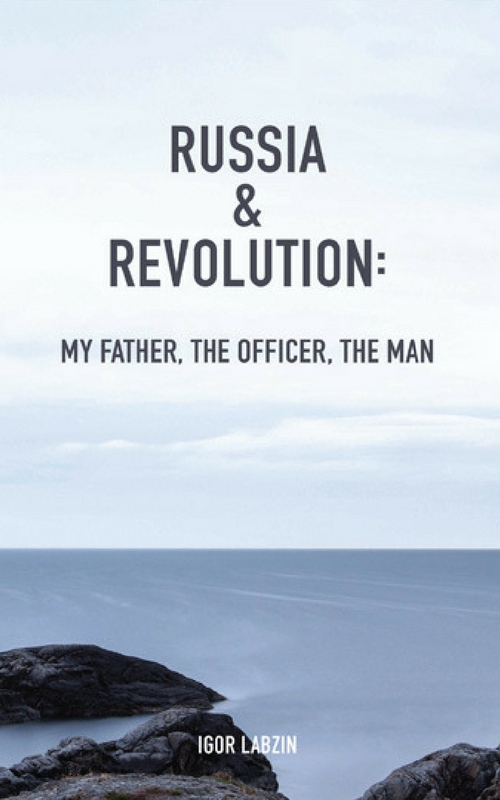
Igor’s book “Russia and Revolution: My Father, The Officer, The Man” offers a personal perspective on the early to mid-half of the 20th Century in a journey from Saint Petersburg to Australia. Most note worthy are the experiences of the chaotic life in Shanghai, the Philippines and Indonesia due to some of the most defining events that shaped the 20th Century .
Finally, he shares first hand stories of World War II and the conflict in the decolonisation of Indonesia, and the Battle of Surabaya.
Igor Labzin is a Russian-Australian author. He writes and translates historical memoirs.
Babushka has moved into a nursing home and you don’t know what to do with all of her beautiful old Russian memorabilia, books and mementos. They are family treasures and you don’t want to throw them out but then again it takes up room to store it and anyway you cannot read Russian so what’s next. It starts to feel like a fine line between fascination and ordeal.
Who is interested? The Dom is. That’s The Dom Russkovo Zarubezhya (Foundation of Russians Abroad) in Moscow – interested in tokens from the 20th century especially of Russian émigrés who left Russia to make new lives in other countries.
Rummage through the boxes and here is what you may find.
Old letters and documents in Russian dating back to 1917
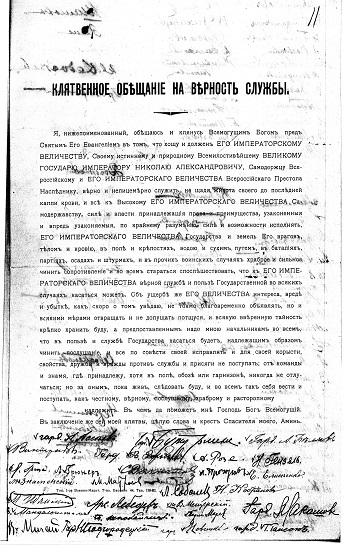
This piece of memorabilia lists the names of the young officers who were graduating from the St Petersburg Naval Academy, who swore their oath of allegiance to Tsar Nicholas II prior to the outbreak of the revolution.
Oath of Allegiance
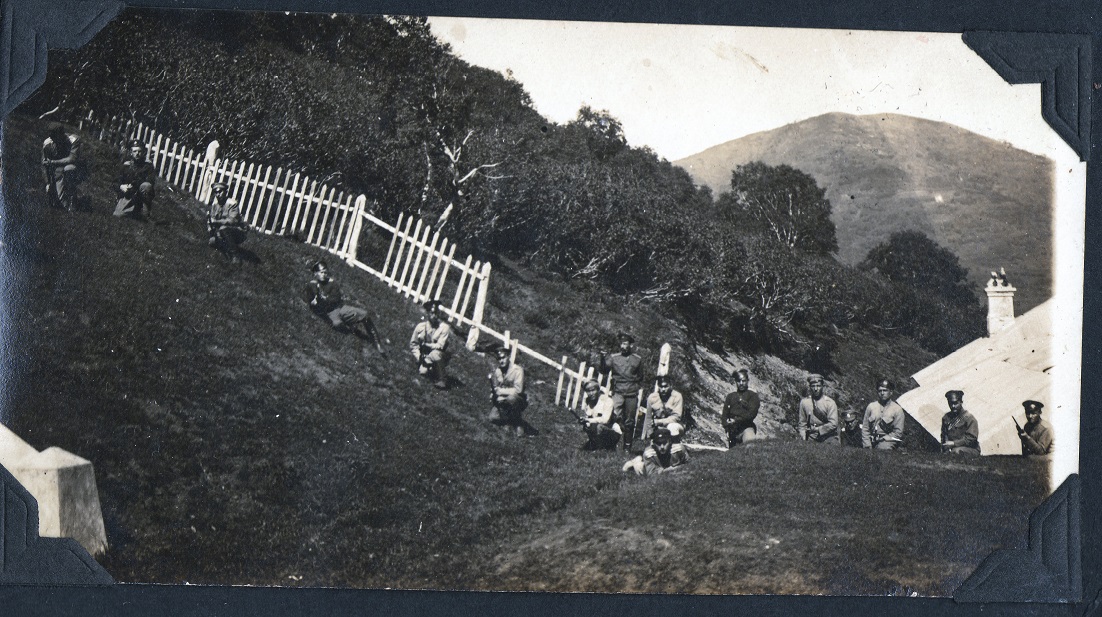
Dusty stained photo albums with precious photos falling out of the stick on “corners” on the black pages. If you are lucky, there in faded pencil on the back, are the names of those in the photo. Sometimes there is the year and sometimes a precious comment to reveal a snippet of a story around the pic. This one is of the White Officers on manoeuvres in Eastern Russia in 1922.
On manoeuvres on the Kamchatka Peninsula, Far East Russia, circa 1922
Valued Russian Books
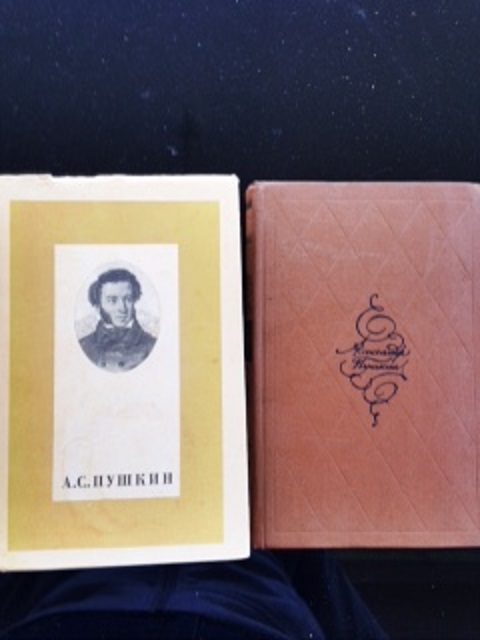
Books ranging from St Petersburg Naval Academy text books to the classics of Tolstoy, Pushkin and Chekhov to cookbooks with the foreword written by Stalin. The covers may be tatty and discoloured, the pages dog-eared but they evoke the culture of the era of the silver age of Russian literature.
Pure Vintage Clothes
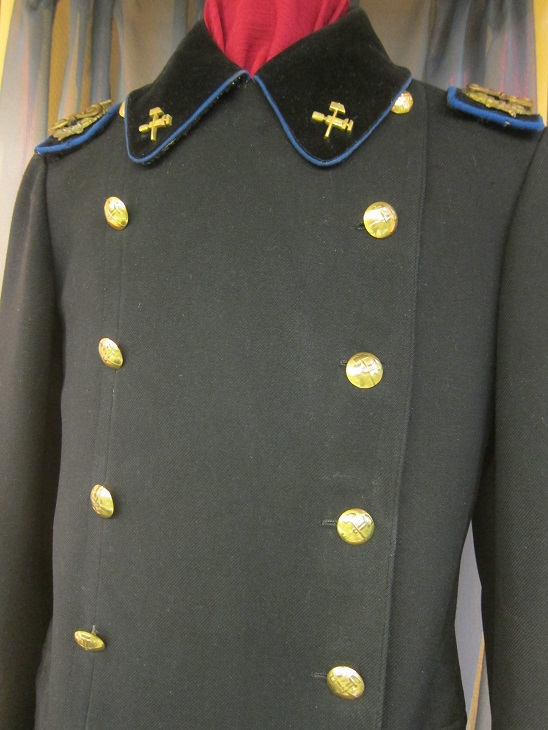
Yes the op shops would love the old suits and dresses, maybe a slightly squashed hat or two but definitely the gloves, the bowties and cigarette cases evoke memories of the glamorous 30s and 40s. There may be pieces of old military uniforms or the cap and epaulettes of the ship captain or his pipes and ashtrays all memorabilia jumbled together in the leather hat box with the stickers of voyage destinations many years ago.
Sea Trunks full of Collectibles
Open them up and dig around through some old blankets and newspapers wrapped around things. What are they? The sexton in another box of its own; stained leather binoculars; old worn tobacco tins.
What’s next?
What does the Dom do with these pieces of Russian memorabilia and why are they interested?
Their work is concentrated on the preservation of Russian culture and history of Russian émigrés through research and documentation, presentations and displays of aspects of life prior to and after the Russian Revolution and tracking the stories of White Russians who fled from Russia in the 20th century. What happened to these people? What are their stories? That is why your babushka’s keepsakes may be of great interest to them.
You can visit the library and gallery at the Dom, view special displays and their art gallery.